
Post
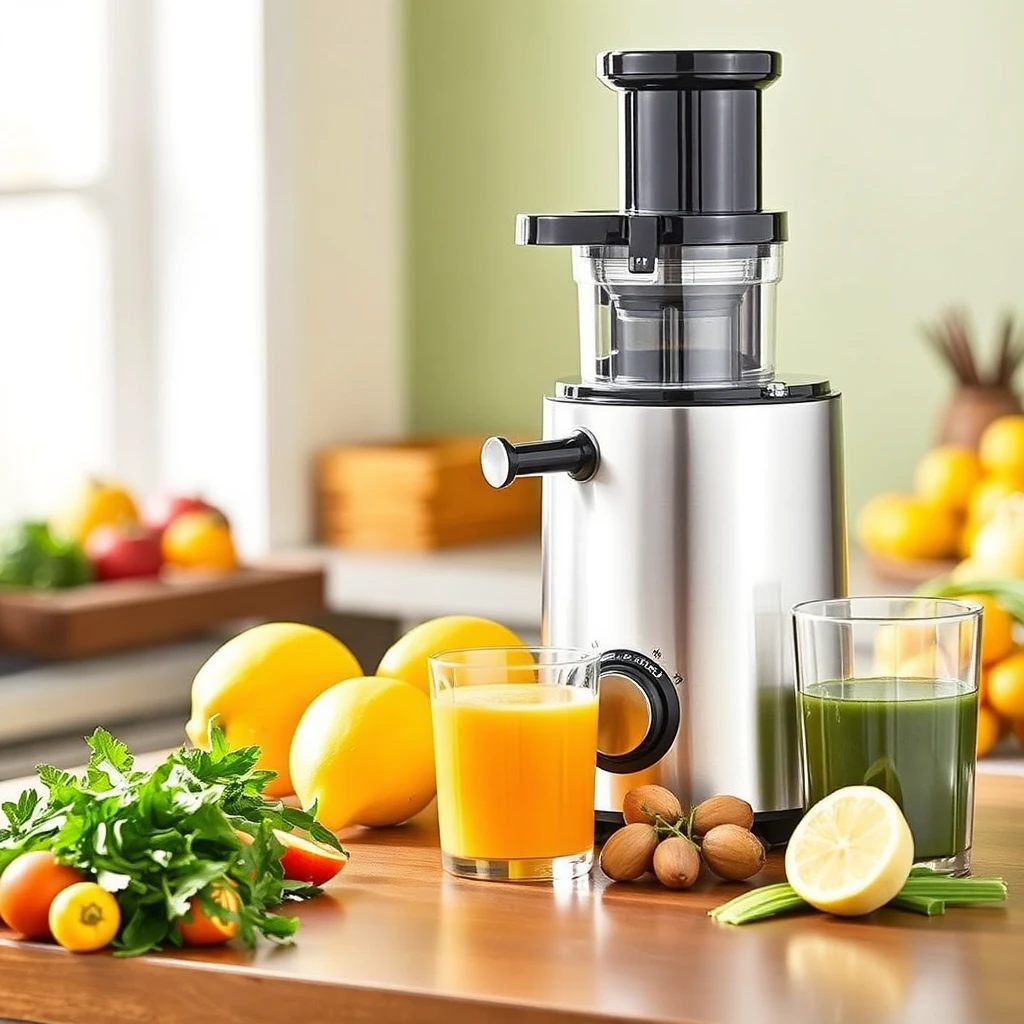
9 Slow Juicer
May
The Quiet Powerhouse in Your Kitchen: Why the $89.99 Slow Juicer Is Worth Every Drop
https://en.wikipedia.org/wiki/Juicer
If you’ve ever watched a centrifugal juicer spin at break‑neck speed, you know the unmistakable roar, the splatter of pulp, and the faint worry that something precious—nutrients, enzymes, flavor—might be getting lost in the frenzy. Enter the slow juicer (also called a masticating juicer) and watch those concerns melt away.
At $89.99, this sleek, low‑speed machine delivers the kind of juice you’d expect from a high‑end, boutique model—only at a price that won’t make you cringe. Below we’ll break down how it works, why it matters for your health, and how to get the most out of it every day.
1. How Low‑Speed Masticating Technology Works
Unlike centrifugal machines that shred produce with a fast‑spinning blade, a masticating juicer crushes and squeezes at a gentle 80–100 RPM. Think of it as a slow, steady hand kneading a dough versus a high‑speed blender slamming ingredients together.
- Gentle crushing ruptures cell walls without generating heat.
- Low shear means less oxidation, a major culprit behind nutrient loss.
- Continuous pressing extracts more liquid from each gram of fruit or veg, giving you a higher yield.
The result? A glass of juice that retains vitamin C, B‑complex, antioxidants, and natural enzymes—the very compounds that often degrade in a hot, turbulent environment. Slow Juicer
2. What Sets This Juicer Apart
| Feature | Why It Matters |
|---|---|
| Low‑speed masticating | Preserves heat‑sensitive nutrients & enzymes |
| Higher juice yield | More drink for every carrot, apple, or leaf |
| Quiet operation | No more kitchen‑stage‑show; juicing after work is a breeze |
| Easy assembly & cleaning | Disassembly in seconds; dishwasher‑safe parts |
| Versatility | Handles fruits, veggies, leafy greens, nuts, wheatgrass, even soy for homemade milk |
| Affordable price point | Premium performance without the premium price tag |
3. Nutrition Spotlight: What You Keep (and What You Lose) Slow Juicer
| Nutrient | Lost in centrifugal juicers (%) | Retained in slow juicer (%) |
|---|---|---|
| Vitamin C | Up to 30% | 90%+ |
| Polyphenols | Up to 25% | 80%+ |
| Enzymes (e.g., amylase) | 40–50% | 70–80% |
| Phytochemicals | 20–30% | 85%+ |
These numbers are not just academic—they translate into more immune support, better digestion, and enhanced energy from each sip. If you drink a 250 ml glass daily, that extra preservation can make a tangible difference in how you feel over weeks and months.
4. Real‑World Uses: From Green Smoothies to Nut Milks
a. Leafy Green Power
Spinach, kale, and Swiss chard can be notoriously difficult for high‑speed machines—fibers get tangled, and juice yield suffers. The slow juicer’s auger feeds them in slowly, squeezing out a bright, green liquid with minimal bitterness.
Tip: Alternate layers of leaf and a small chunk of fruit (apple or pineapple) to sweeten the flavor without adding extra sugar.
b. Wheatgrass & Micro‑Greens Slow Juicer
A single ounce of wheatgrass offers a burst of chlorophyll, iron, and antioxidants. Its thin, fibrous blades can clump in centrifugal models, but the masticating action pulls a smooth shot in seconds.
Pro tip: Run a quick “flush” with a lemon wedge after juicing wheatgrass to keep the chute clean and add a fresh zing to the next batch.
c. Nut & Seed Milks
Almonds, cashews, and even oats become creamy milks when blended with water, then strained. The slow juicer does the heavy lifting—crushing the nuts into a fine pulp and separating the milk from the fiber automatically.
Recipe starter: ½ cup raw almonds + 2 cups filtered water → juice → sweeten with a pinch of vanilla or a drizzle of honey.
d. Homemade Sorbets & Frozen Treats
Because the juice remains cold (no heat generated), you can freeze it directly into sorbets or granita without a separate chilling step. Slow Juicer
5. Quiet, Efficient, and User‑Friendly
One of the biggest complaints about juicing is the noise level—imagine trying to start your day with a 90‑decibel blender while your partner is still sleeping. The slow juicer hums at under 55 dB, comparable to a quiet conversation.
It also runs efficiently: the motor’s lower RPM means less electricity consumption, and the single‑gear design reduces mechanical wear, extending the machine’s lifespan. Slow Juicer
Assembly in 30 Seconds
- Attach the feed chute – snap‑fit onto the base.
- Insert the auger – twist clockwise until it clicks.
- Place the juice container – align the spout and lock.
Everything is designed for quick release, so post‑juice cleanup takes no more than a minute. Most parts are dishwasher‑safe; the juice‑catching screen can be rinsed under running water, then the whole unit wipes clean with a damp cloth.
6. Maintenance & Longevity
- Rinse immediately after each use to prevent pulp from drying and sticking.
- Descale quarterly (especially if you use hard water) by running a mixture of 1 L water + 2 Tbsp white vinegar through the machine.
- Inspect the auger for any worn edges every six months; replacement parts are inexpensive and widely available.
Proper care not only keeps your juice tasting fresh but also protects the motor, ensuring those 5‑year warranty years truly last. Slow Juicer
7. The Bottom Line: Value, Not Just Price
At $89.99, many might still wonder if the extra health benefits are worth the investment over a cheap centrifugal counterpart. The answer lies in three calculations:
- Nutrient Savings: If you drink 250 ml daily, you get roughly 30 mg more vitamin C each day versus a centrifugal juicer—over a year, that’s over 10 g of vitamin C you didn’t have to get from supplements or extra produce.
- Yield Efficiency: You’ll squeeze about 20‑30% more juice from the same amount of produce, saving you money on fruits/veg purchases.
- Time & Hassle: Faster setup, quieter operation, and a cleaning routine under two minutes translates to hours saved per month—value that’s hard to quantify but certainly felt.
All of this adds up to a device that pays for itself within a few months for anyone who juices even once a week, let alone daily.
8. Quick Starter Guide: Your First 5 Juices
| # | Ingredient | Ratio (produce : water) | Why It Works |
|---|---|---|---|
| 1 | Apple + Carrot + Ginger | 2 : 1 : ¼ (by weight) | Sweetness + beta‑carotene + anti‑inflam. |
| 2 | Kale + Pineapple + Lemon | 1 : 1 : ½ | Mask bitterness, add vitamin C boost. |
| 3 | Cucumber + Mint + Lime | 3 : ½ : ¼ | Refreshing hydrating post‑workout. |
| 4 | Wheatgrass (1 oz) + Apple | 1 : 2 | Easy entry into green juices. |
| 5 | Raw Almonds + Water + Date | ½ : 2 : 1 (by volume) | Creamy nut milk, natural sweetener. |
Give each a try, adjust to your taste, and you’ll quickly discover the breadth of what this machine can do.
9. Final Thoughts
Juicing isn’t just a trend; it’s a lifestyle choice that can enhance digestion, boost immunity, and support sustainable eating when done right. The slow juicer at $89.99 bridges the gap between high‑performance, nutrient‑preserving technology and everyday affordability.
- Quiet – No more early‑morning disturbances.
- Efficient – More juice, less waste, lower electricity draw.
- Versatile – From leafy greens to nut milks, you’re covered.
- Easy to clean – No tedious soak‑and‑scrub sessions. Slow Juicer
If you’re ready to upgrade from the noisy, low‑yield centrifuge and invest in a tool that works with your produce—preserving its very essence—this slow juicer is the answer.
Take the step today: Click “Add to Cart,” secure your $89.99 deal, and start sipping vitality, one glass at a time. Slow Juicer
Happy juicing!
—Your Nutrition‑Focused Kitchen Companion
https://mapstory.click/category/post
