
Post
43 Hanging Plant Holder
Jun
The Hanging Renaissance: Why Your Home Needs a Hanging Plant Holder (And How to Style It) 43 Hanging Plant Holder
https://en.wikipedia.org/wiki/Hanging_basket
In the world of interior design, trends come and go with the changing seasons. We’ve seen the rise of industrial minimalism, the obsession with mid-century modern furniture, and the cozy embrace of “hygge.” But there is one trend that has stubbornly refused to fade away, evolving instead into a staple of modern living: the hanging plant holder.
Whether you live in a sprawling suburban home or a cozy studio apartment, the hanging plant holder is the ultimate design hack. It’s a marriage of art, nature, and architecture that breathes life into forgotten corners and turns your ceiling into a canvas. But why are we suddenly so obsessed with suspending our greenery? And more importantly, how can you incorporate this trend into your home without it feeling like you’ve accidentally joined a 1970s macramé workshop? Hanging Plant Holder
Let’s dive into the world of elevated botanicals and discover why a hanging plant holder is the best investment you’ll make for your home this year. Hanging Plant Holder
1. The Psychology of Living Higher
Interior designers often speak about “layering,” but we usually associate this with rugs, throw blankets, and art. Layering your vertical space is just as important. When you place all your plants on the floor or a tabletop, you create a visual “flatline” at eye level. By introducing a hanging plant holder, you break that horizontal plane. Hanging Plant Holder
Your eyes are forced to travel upward, which literally makes a room feel taller and more spacious. Psychologically, greenery has been proven to reduce stress and improve focus. By bringing plants into your line of sight while you work or relax, you’re creating an immersive “biophilic” environment that promotes mental clarity. Hanging Plant Holder
2. The Great Space-Saver
For those of us living in “cozy” urban apartments, every square inch of counter space is precious. If you’re a budding indoor gardener, you quickly run out of room for pots. This is where the hanging plant holder becomes a hero.
By utilizing your ceiling and wall space, you effectively multiply your floor plan. You can turn a cramped kitchen into a lush herb garden or transform a lonely corner of your bathroom into a spa-like sanctuary—all without sacrificing a single inch of table space. It’s the ultimate solution for the plant enthusiast who has run out of furniture surfaces.
3. Choosing Your Style: Beyond the Macramé
If you hear “hanging plant holder” and immediately think of dusty, beige yarn knots from a bygone era, it’s time for an update. The market has exploded with designs that cater to every aesthetic imaginable:
- The Modern Minimalist: Look for powder-coated steel rings, geometric brass frames, or sleek ceramic bowls suspended by thin, high-tensile wire. These look like floating sculptures and work beautifully in contemporary, monochromatic spaces.
- The Bohemian Dream: Here is where the classic macramé still shines. Choose natural cotton ropes with wooden beads or tassels. Pair these with trailing plants like Pothos or String of Pearls to create that effortless, free-spirited vibe.
- The Industrial Loft: Think leather straps, rusted iron chains, or reclaimed wood planks suspended by heavy-duty ropes. These add a rugged, masculine texture to a space filled with brick and metal.
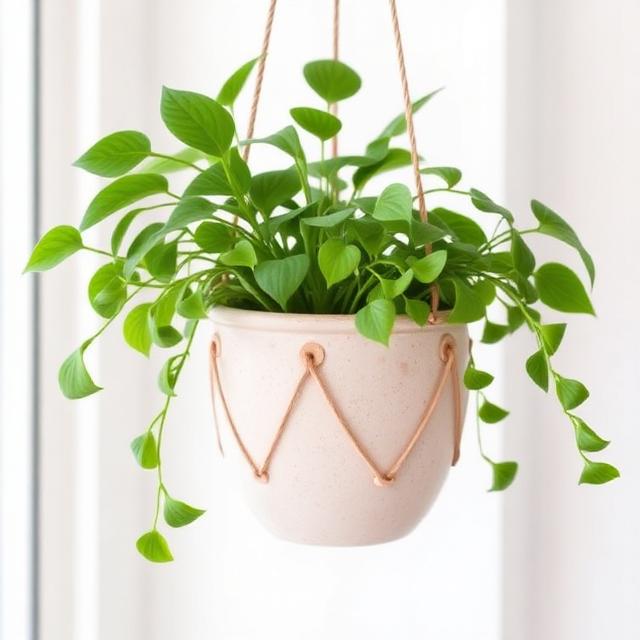
- The Scandinavian Farmhouse: Ceramic pots nestled in leather slings or simple wooden floating shelves suspended by braided jute. These prioritize natural materials and clean, functional lines.
https://mapstory.click/category/post
4. The Top 5 Plants That Love to Hang
Not every plant wants to spend its life dangling from a ceiling hook. Some need sun, others need humidity, and some just want to trail dramatically down your wall. Here are the champions of the hanging holder:
- Golden Pothos (Epipremnum aureum): The beginner’s best friend. It grows fast, survives in low light, and has beautiful heart-shaped leaves that will eventually cascade several feet down.
- String of Pearls (Senecio rowleyanus): These quirky, bead-like succulents love bright, indirect light. They look stunning in a simple, minimalist ceramic holder.
- Spider Plant (Chlorophytum comosum): A classic for a reason. They grow little “plantlets” that dangle down, creating a multi-layered effect. They are also excellent air purifiers.
- Hoya (Hoya carnosa): Known for its waxy leaves and sweet-smelling, star-shaped flowers, the Hoya is a tropical favorite that looks elegant in a decorative pot.
- Burro’s Tail (Sedum morganianum): A succulent that forms heavy, thick, trailing stems. It’s a showstopper, though it’s fragile, so make sure your hanging spot isn’t in a high-traffic area.
5. Pro Tips for Installation (Don’t Let Your Plant Become a Hazard!)
Installing a hanging plant holder is easy, but it requires a bit of common sense to keep your walls—and your plants—intact.
- Find the Stud: If your plant is heavy (especially if you have a large ceramic pot with damp soil), do not rely on a standard drywall anchor. Use a stud finder and drive your hook directly into a ceiling joist.
- Consider the Weight: Wet soil is significantly heavier than dry soil. Always check the weight capacity of your hooks and your chosen holder.
- Watering Logistics: This is the #1 mistake people make. If your plant is hanging six feet in the air, how are you going to water it? Invest in a long-spout watering can, or choose a holder that allows the inner plastic pot to be easily removed so you can take it to the sink (or shower) for a proper soak.
- Lighting Check: Just because it looks pretty in the corner doesn’t mean the plant will be happy. Observe your room’s light for a few days. Does that corner get any sun? If not, consider a low-light plant like a Pothos or a Philodendron.
6. Curating Your Hanging Gallery
Once you start hanging plants, you might find yourself wanting to create a “living curtain.” This is a fantastic way to designate zones in an open-concept home.
Try hanging three plants of varying lengths at different heights in front of a window. This acts as a natural, living blind that offers privacy while still letting sunlight filter through. Alternatively, cluster plants in the corner of a room to create a “vertical forest.” The key is to vary the pot materials and the plant textures to keep the eye moving.
The Final Verdict
A hanging plant holder is more than just a piece of home decor; it’s a commitment to vitality. It’s about taking a space that feels static and giving it movement. It’s about taking a home that feels like a box and making it feel like a sanctuary.
Whether you go for a high-end designer piece or a DIY macramé project you made on a rainy Sunday, the result is the same: your home will feel more vibrant, more oxygenated, and undeniably more you.
So, go ahead—reclaim your vertical space. Buy that hook, find that perfect trailing vine, and watch as your home takes flight. After all, the best views in the house are often the ones you have to look up to find.
Ready to start your hanging garden? Share your favorite plant combinations or styling tips in the comments below! Don’t forget to check our store for our latest collection of hand-crafted ceramic and macramé hanging holders to get your project started today.
