
Post
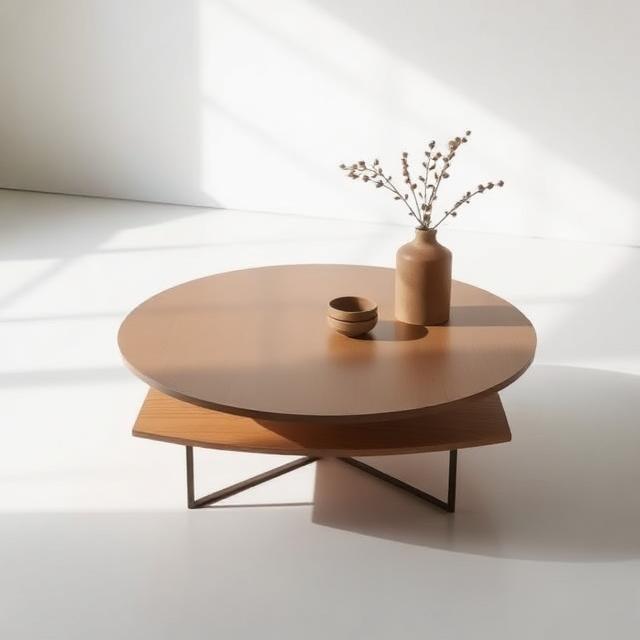
42 Minimalist Coffee Table
Jun
The Art of Less: Why a Minimalist Coffee Table is the Ultimate Living Room Upgrade
https://en.wikipedia.org/wiki/Coffee_table
In the world of interior design, there is a persistent myth that “more is better.” We are conditioned to believe that a room isn’t finished until every surface is crowded with trinkets, every wall is obscured by art, and every piece of furniture serves three different purposes. But if you have ever felt overwhelmed by your own living room, you know the truth: clutter is the enemy of calm.
Enter the minimalist coffee table.
It’s not just a place to set your mug down; it is a focal point, a functional anchor, and a testament to the idea that design should be intentional. Whether you live in a sprawling open-concept house or a cozy urban studio, upgrading to a minimalist coffee table can shift the entire energy of your home.
In this guide, we’ll explore why minimalist coffee tables are the ultimate living room upgrade, how to choose the right one, and the philosophy behind curating a space that breathes.
1. The Philosophy of Minimalism: Beyond the Aesthetic
Minimalism is often mistaken for starkness—a cold, empty room with a single white chair. Real minimalism, however, is about intentionality. It’s about stripping away the visual noise so that the items you truly love (and the people you share the room with) can take center stage.
A coffee table is the center of the living room “conversation circle.” When you choose a minimalist design, you are making a statement. You are saying, “I value quality over quantity.” By clearing the surface and opting for clean lines, you create a visual “pause” in the room. This negative space allows the eye to rest, which in turn helps your mind rest.
2. Why Minimalist Design Wins in the Living Room
If you’re on the fence about swapping your chunky, multi-drawer coffee table for something more refined, consider these four distinct advantages:
A. The Illusion of Space
Bulky furniture eats up visual square footage. If you have a small living room, a heavy coffee table can make the room feel cramped and claustrophobic. A minimalist coffee table—often featuring thin legs, glass tops, or cantilevered designs—creates an airy flow. Because you can see the floor beneath the table, the room feels larger, lighter, and more open.
B. Versatility in Styling
Minimalist tables are the ultimate “blank canvas.” Because they lack ornate carvings or busy storage compartments, they don’t dictate the style of your room. Whether your home is Mid-Century Modern, Scandinavian, Industrial, or Japandi, a simple, well-crafted coffee table will adapt.
C. Ease of Maintenance
Let’s be honest: tables with hidden compartments, lower shelves, and intricate details are dust magnets. They are also catch-alls for mail, stray receipts, and remote controls. A minimalist table forces you to keep the surface clear. Cleaning becomes a ten-second wipe-down rather than a deep-cleaning project.
D. Focusing on Materials
When you take away the clutter and the ornamentation, the only things left are form and material. This is why a minimalist coffee table is the perfect place to invest in high-quality materials. A slab of solid white oak, a polished piece of honed marble, or powder-coated matte black steel becomes a piece of art in itself.
3. Choosing the Perfect Minimalist Table
Not all minimalist tables are created equal. To pick the right one for your home, consider these essential factors:
The Shape Language
- The Circular Approach: Round or oval tables are fantastic for small spaces or homes with children. They break up the “boxy” feeling of sofas and rugs, encouraging better flow through the room.
- The Rectangular Anchor: If you have a large sectional, a rectangular table provides a strong, grounding horizontal line that mirrors the silhouette of the sofa.
- The Sculptural Cube: A solid, low-profile cube or “plinth” style table is a bold, modern choice that exudes a sense of permanence and architectural weight.
The Material Palette
- Natural Wood: For a Scandinavian or “Warm Minimalist” look, choose light woods like ash or oak with a matte finish. Wood adds organic warmth that prevents a minimalist room from feeling clinical.
- Glass and Metal: The ultimate choice for small rooms. A glass top with a slim metal frame offers structural support without blocking your view of the floor, creating an “invisible” look.
- Stone: Marble or travertine adds texture and luxury. Because these materials are heavy and patterned, keep the shape of the table simple to avoid overwhelming the eye.
4. How to Style Your Minimalist Coffee Table
Minimalist doesn’t mean “empty.” It means “thoughtful.” To style your table like a designer, follow the Rule of Three and the Balance of Texture.
- The Foundation (The Table): Ensure your table is the hero. Don’t cover 90% of it with books.
- The Height Play: You need varying heights to create visual interest. Use one tall item (like a sculptural vase with a single branch), one medium item (a small stack of curated art books), and one low item (a decorative bowl or a small candle).
- The Texture Mix: If your table is wood, introduce a glass or ceramic element. If your table is metal, add something soft, like a leather-bound book or a small, textured wooden trinket box.
- The “Keep-It-Real” Test: If an item doesn’t serve either a functional purpose (a place to set a drink) or an aesthetic purpose (it makes you happy to look at it), remove it.
5. The Psychological Benefit of “The Clear Surface”
We live in an age of constant digital stimulation. Our phones, our laptops, and our TVs are always “on.” When we come home, our environment should act as a sanctuary.
A cluttered coffee table is a visual to-do list. It reminds you of the magazines you haven’t read, the mail you haven’t sorted, and the coasters you’ve lost. By contrast, a minimalist coffee table represents a “clean slate.” When you sit down with a cup of tea, the lack of visual friction allows you to settle into the present moment. It is a small change that yields a massive return on your mental well-being.
6. Conclusion: The Power of Less
Investing in a minimalist coffee table is about more than buying a piece of furniture; it is about choosing a way of life. It’s an admission that you don’t need “stuff” to define your home.
Whether you opt for a sleek, glass-topped design that disappears into your rug, or a solid, organic-shaped wood block that serves as a modern sculpture, remember that the goal is the same: to create a space that allows you to breathe.
In a world that is constantly asking for more of your attention, your living room should be the place that asks for nothing at all. Start with the coffee table. Strip it back. Keep what matters. Let the rest fall away.
Ready to transform your space? Start by clearing off your current table today. You might find that you didn’t need a new piece of furniture after all—or, if you decide you do, you’ll know exactly what to look for: something simple, something beautiful, and something that lets your home rest.
https://mapstory.click/category/post
